Herbarium of the Colombian Pacific
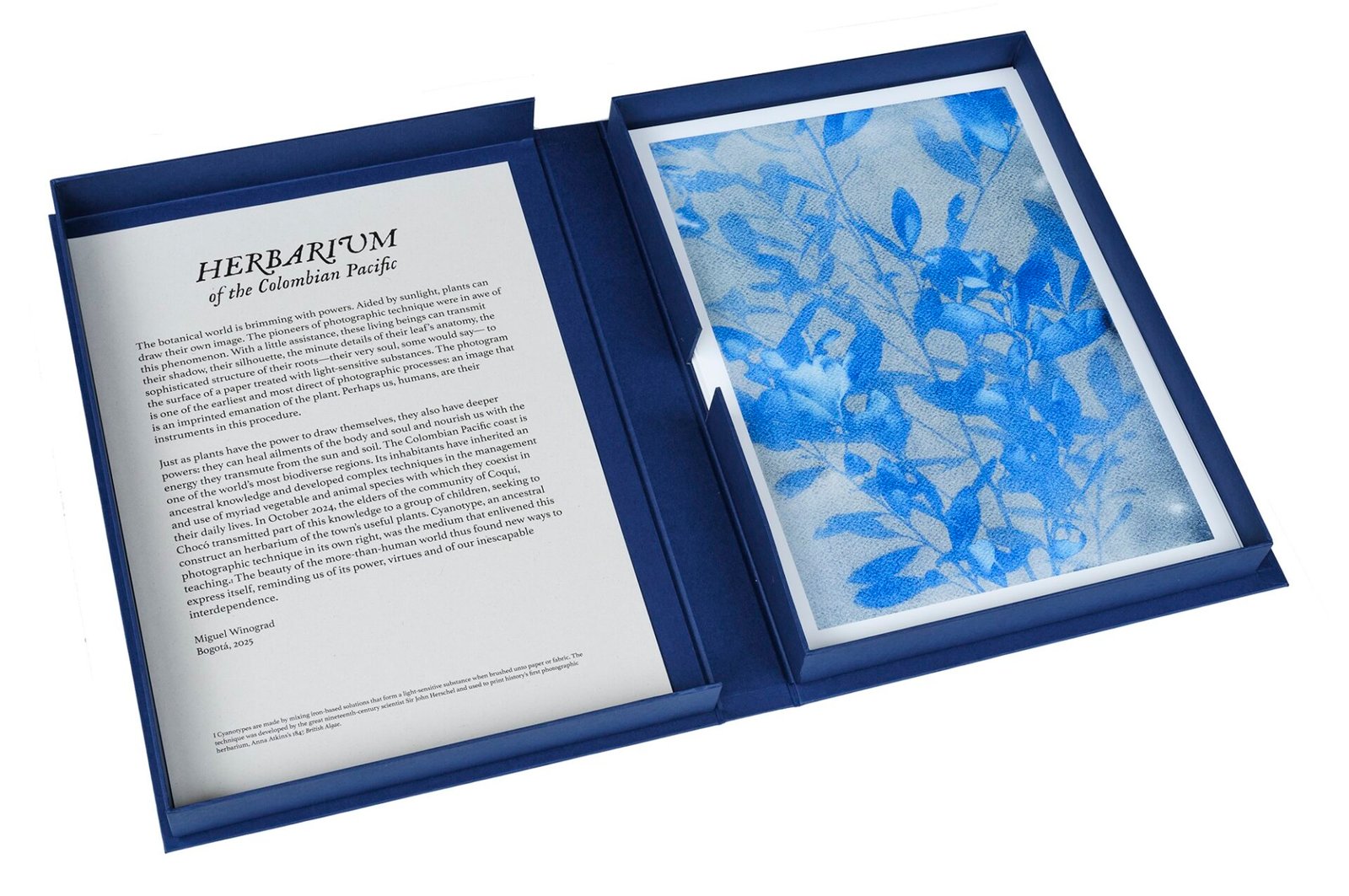
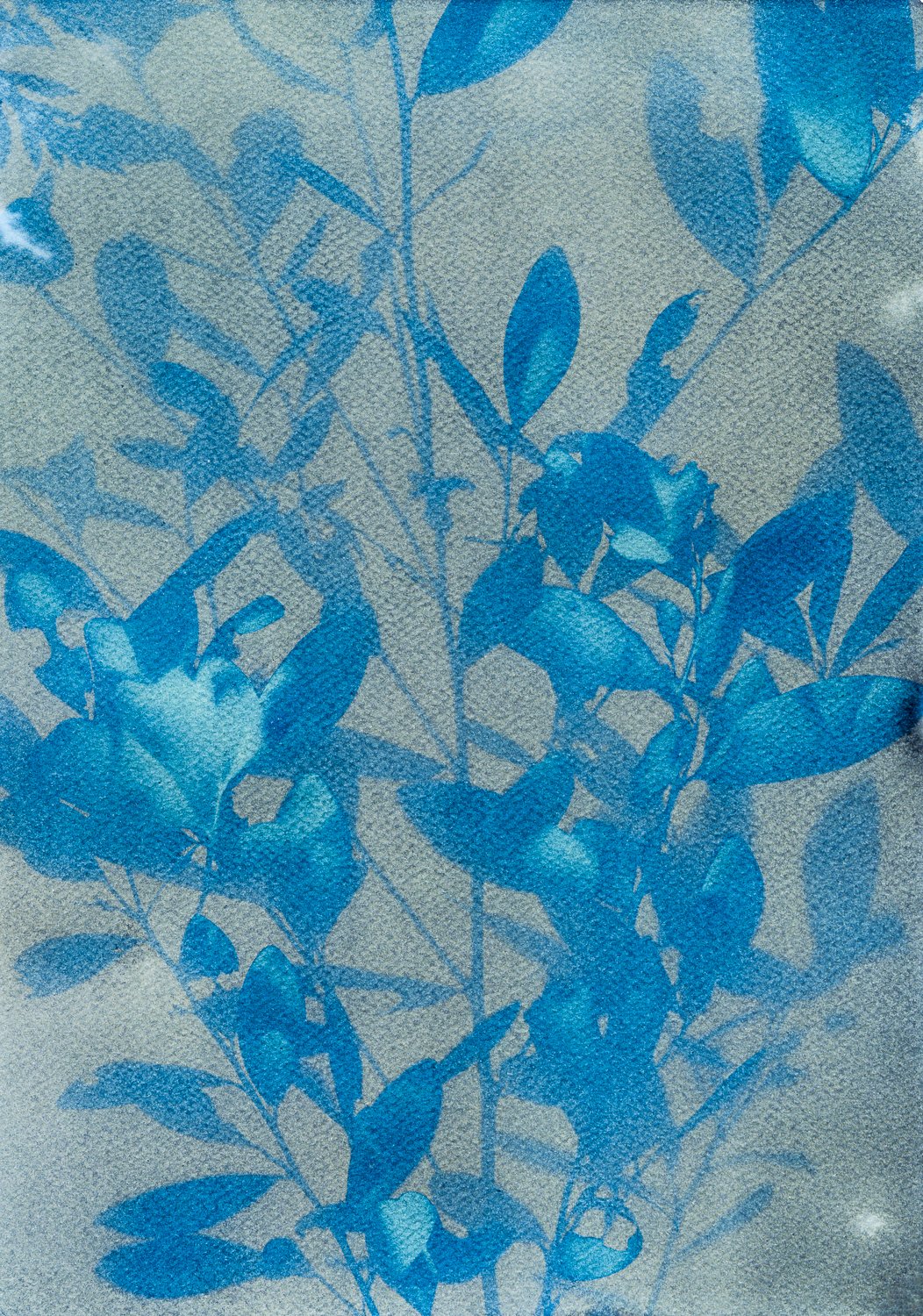
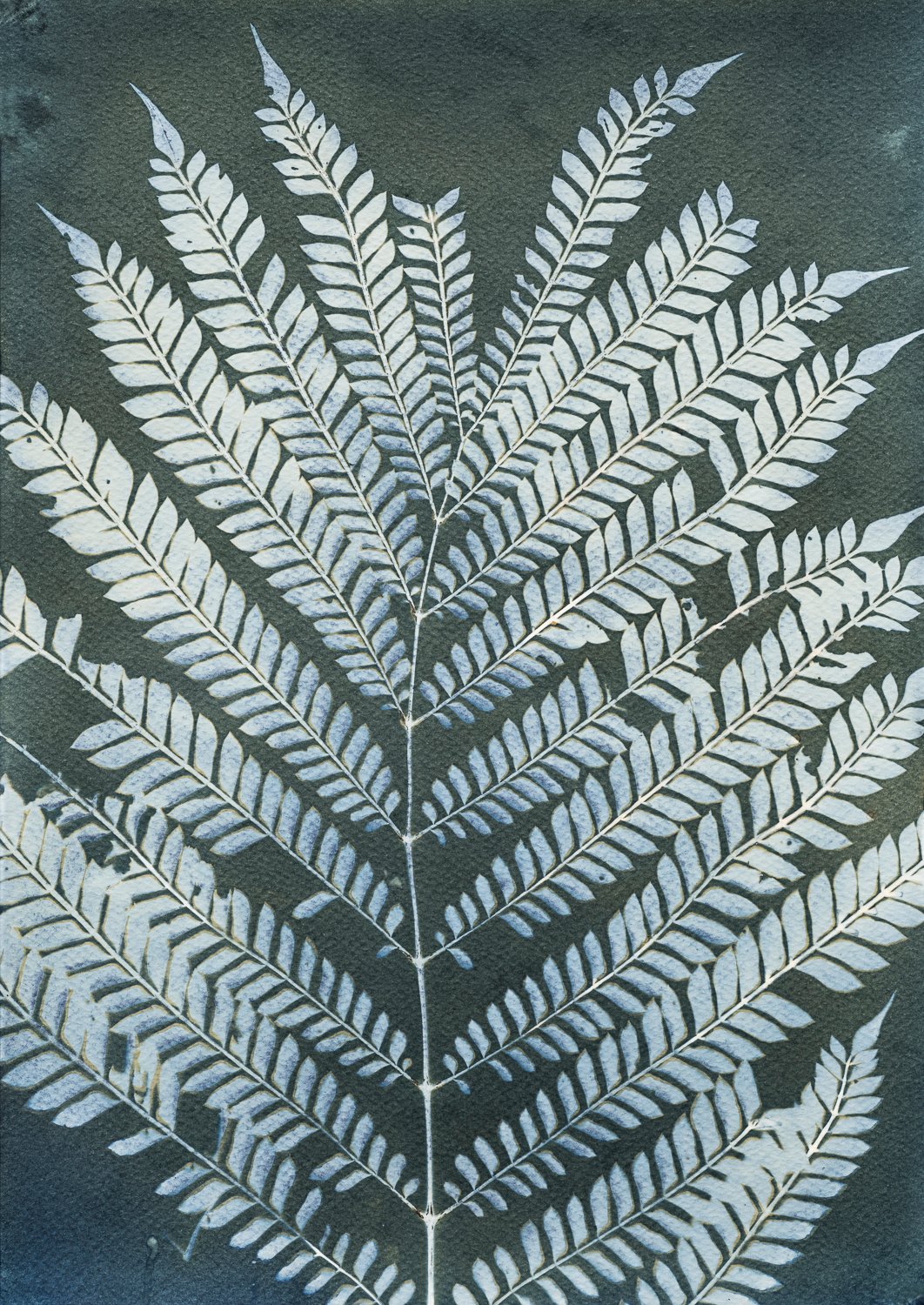
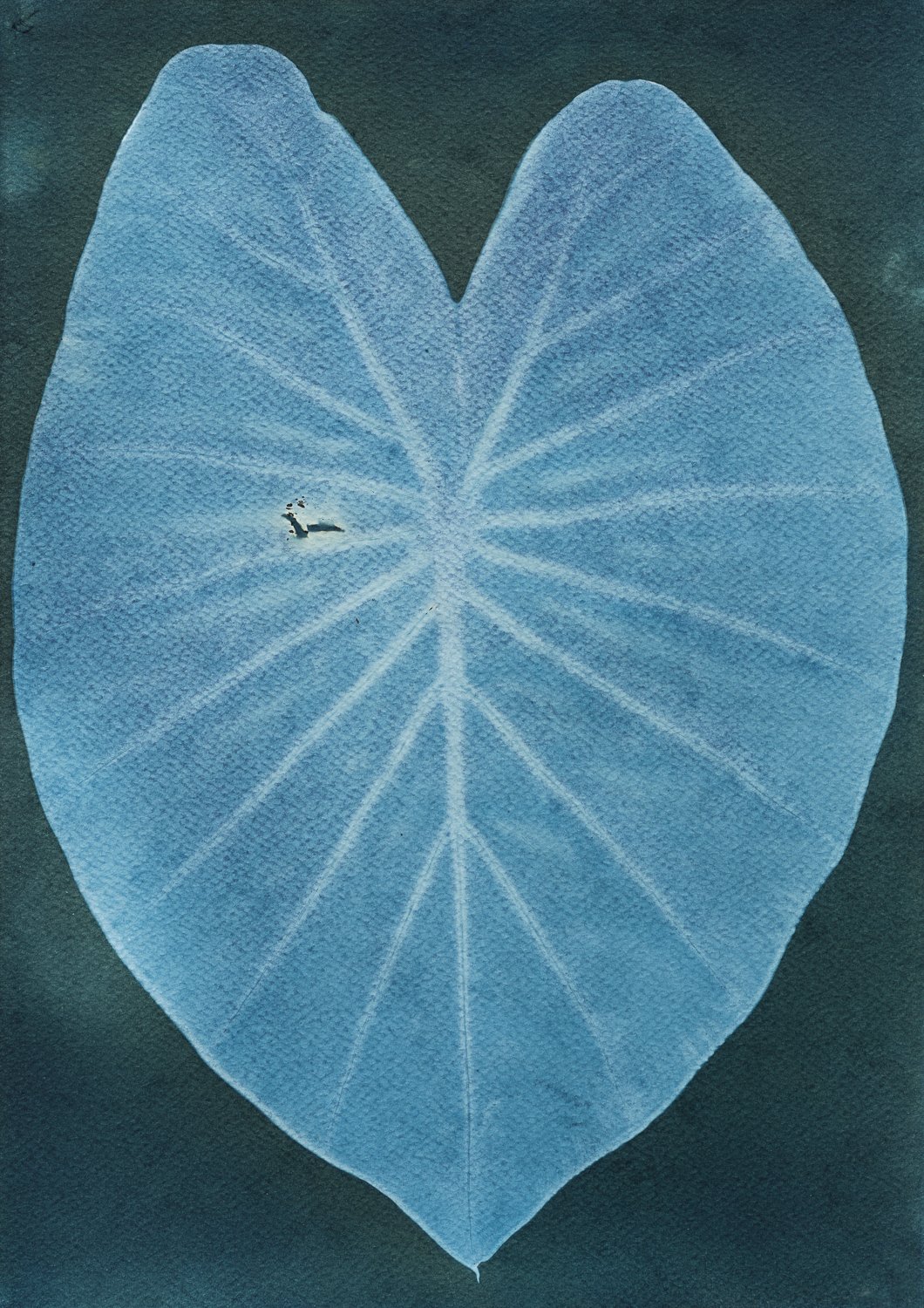
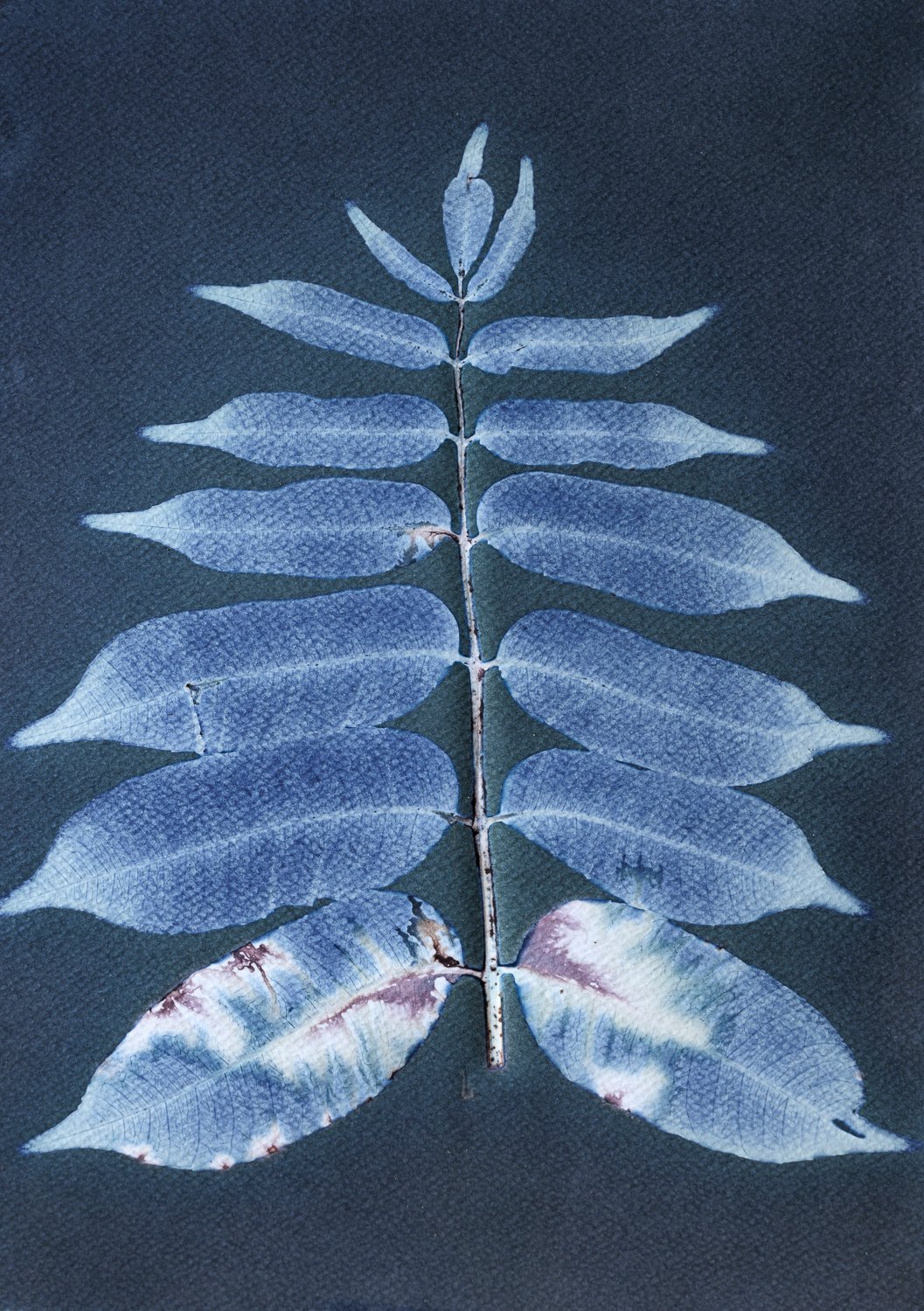
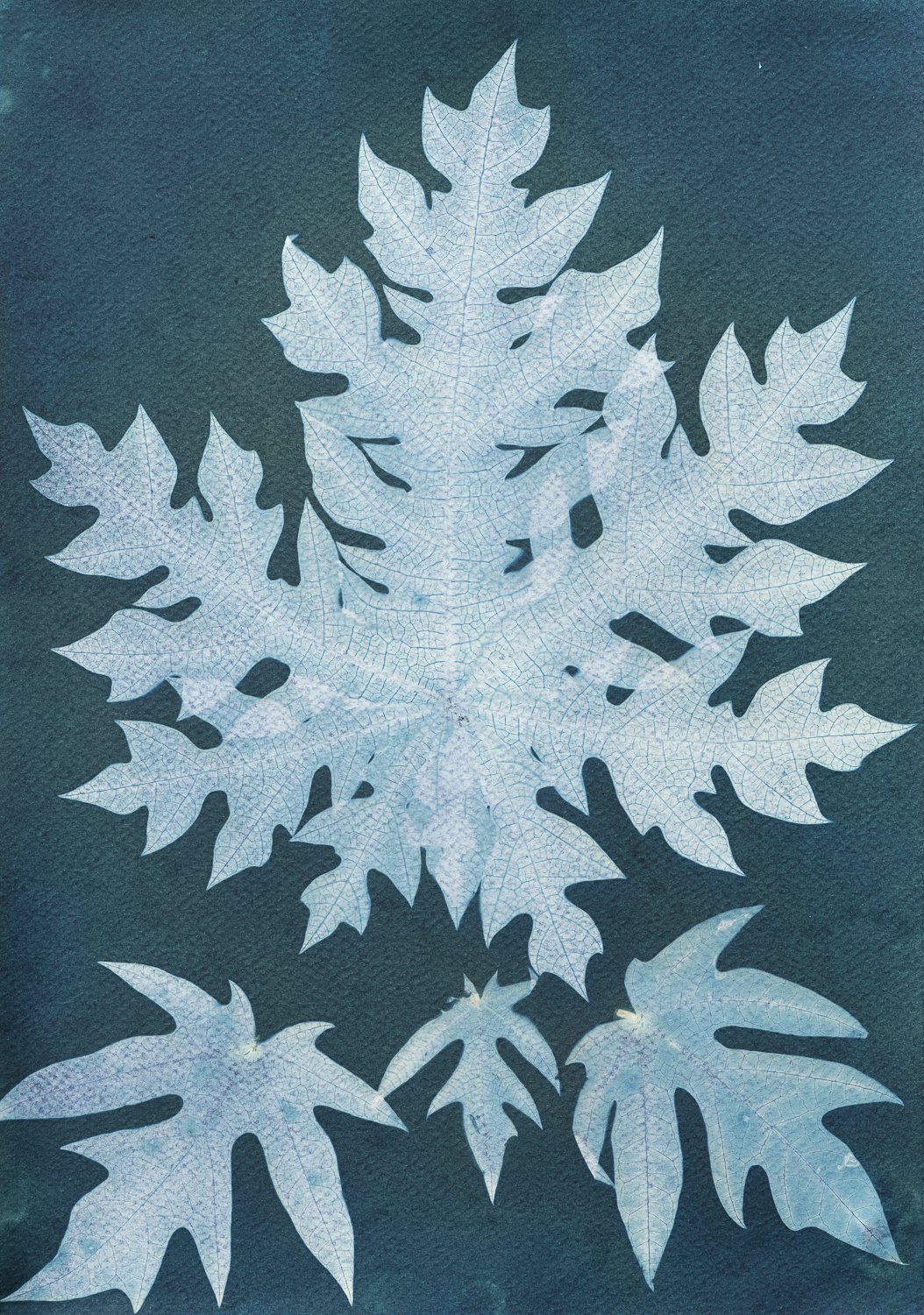
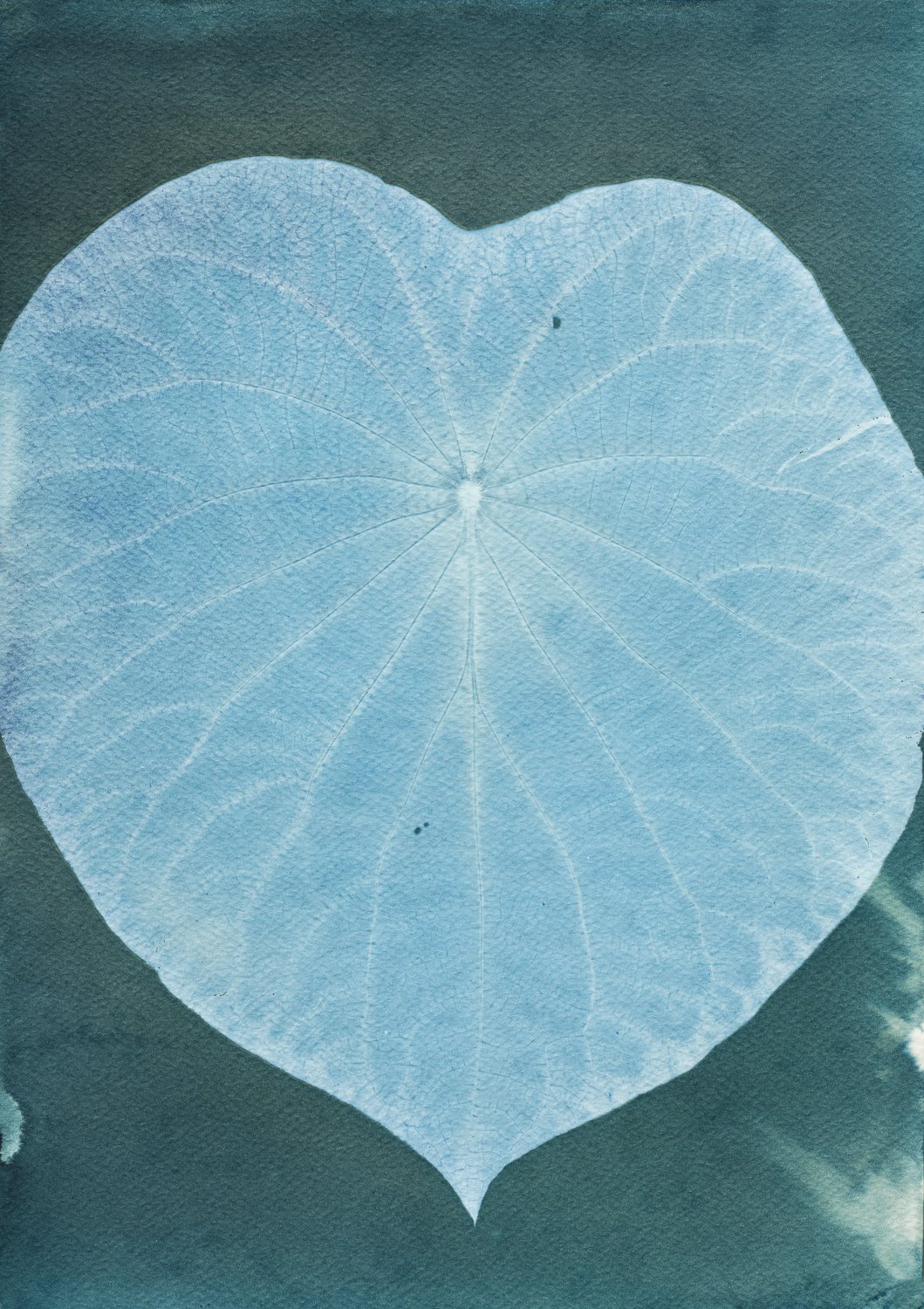
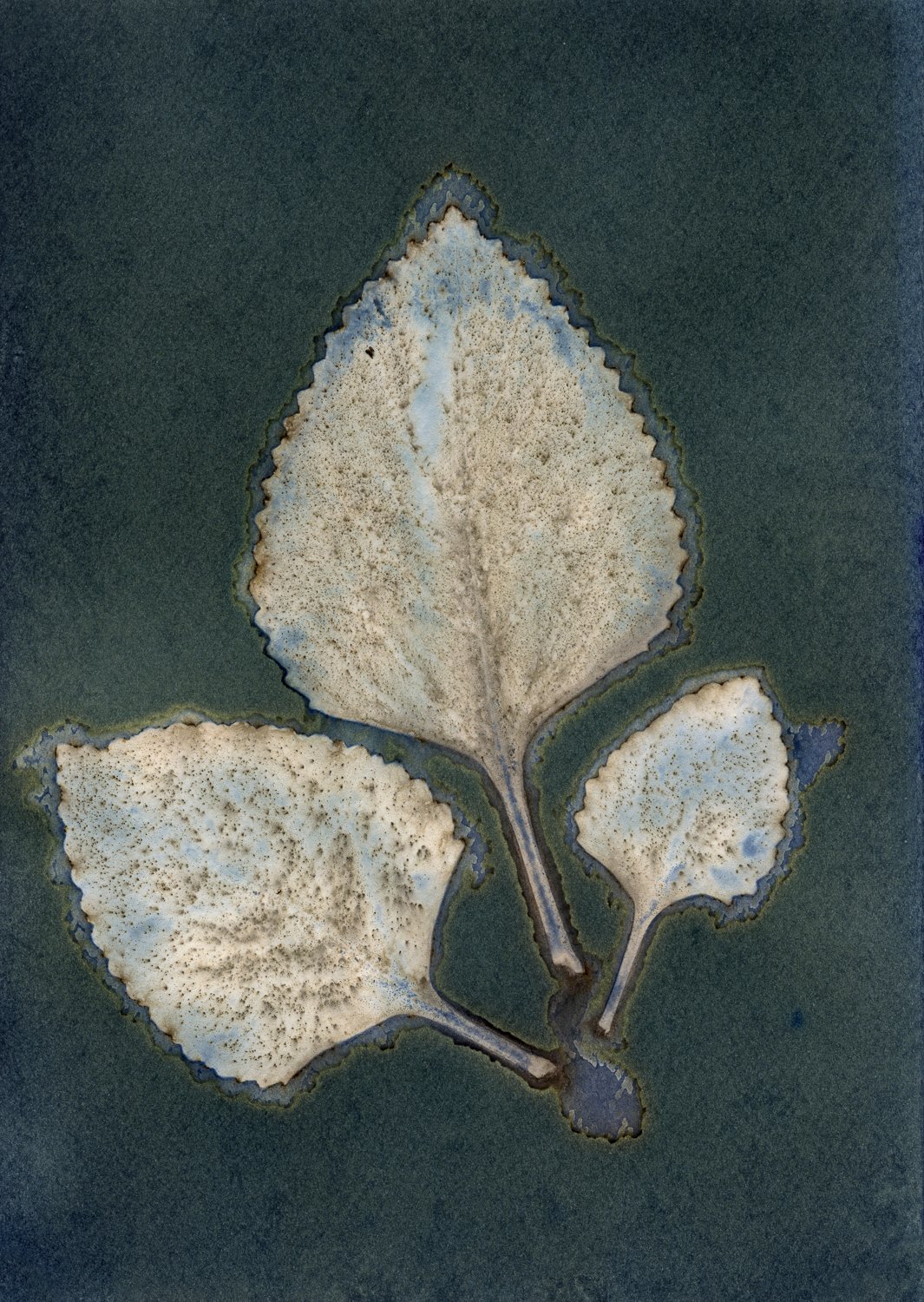
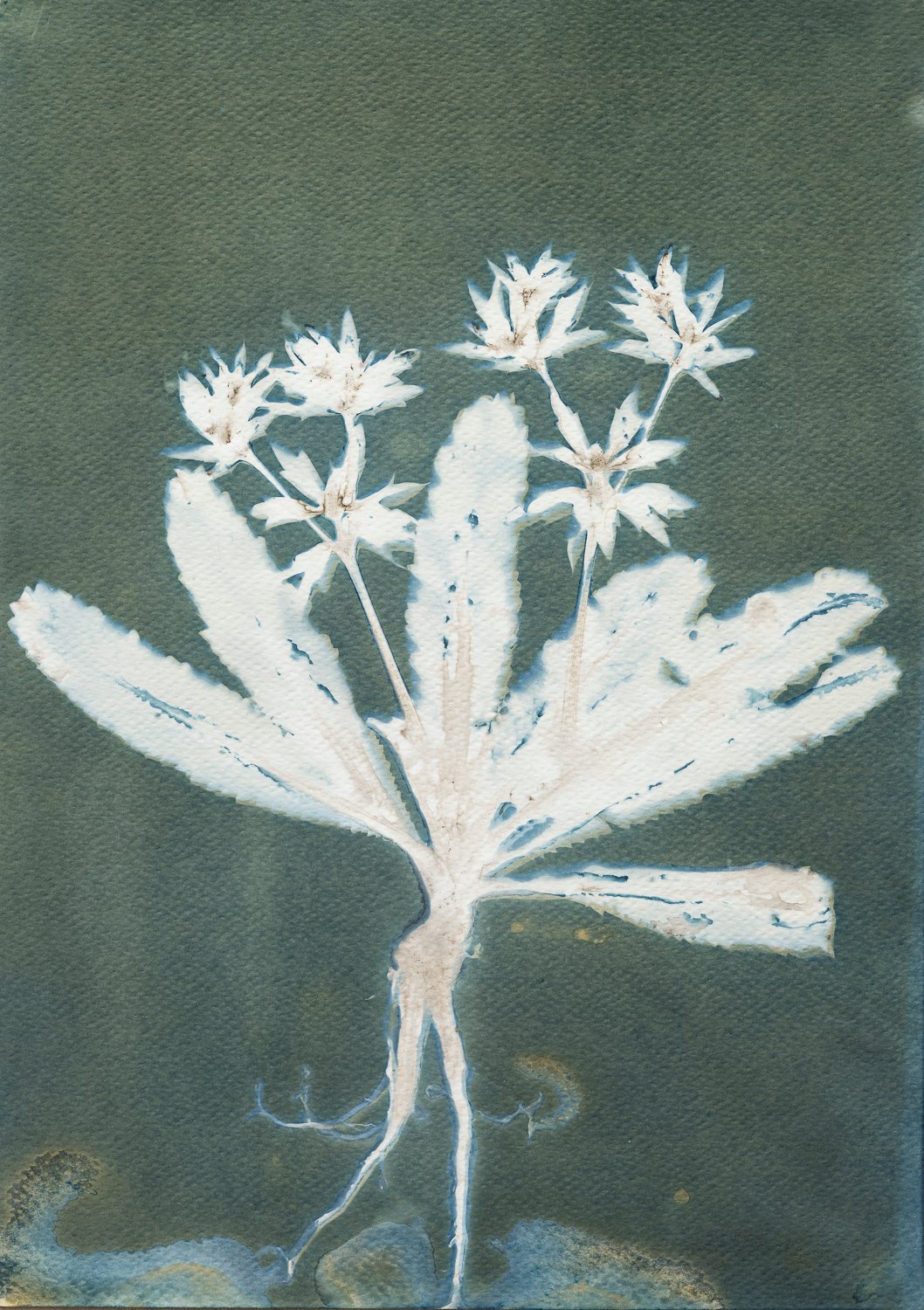
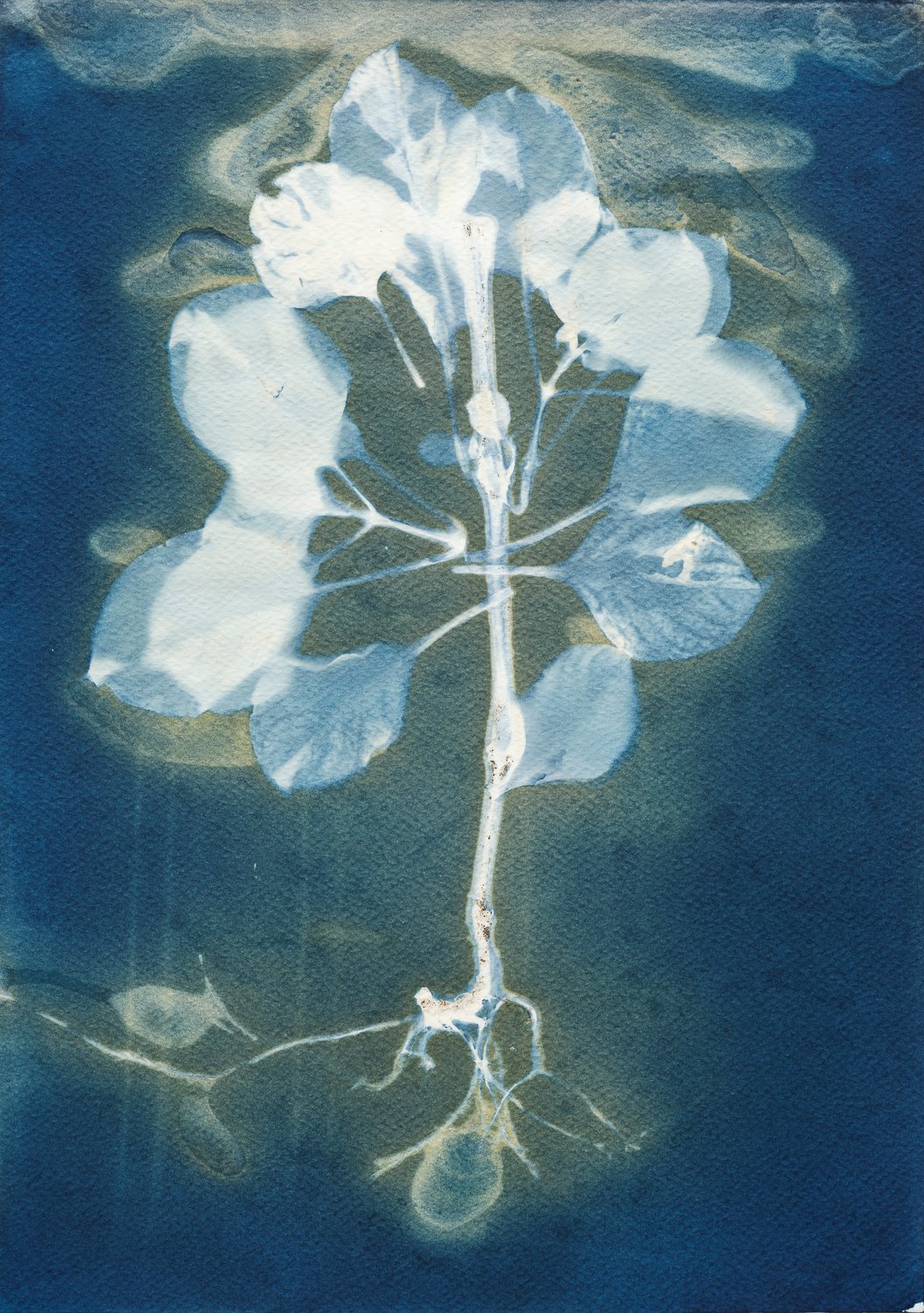
The botanical world is brimming with powers. Aided by sunlight, plants can draw their own image. The pioneers of photographic technique were in awe of the phenomenon. With a little assistance, these living beings can transmit their shadow, their silhouette, the minute details of their leaf’s anatomy, the sophisticated structure of their roots — their very soul, some would say — to the surface of a paper treated with light-sensitive substances. The photogram is one of the earliest and most direct of photographic processes: an image that is an imprinted emanation of the plant. Perhaps us, humans, are their instruments in this procedure.
Just as plants have the power to draw themselves, they also have deeper powers: that can heal ailments of the body and soul and nourish us with the energy they transmute from the sun and soil. The Colombian Pacific coast is one of the world’s most biodiverse regions. Its inhabitants have inherited an ancestral knowledge and developed complex techniques in the management and use of myriad vegetable and animal species with which they coexist in their daily lives. In October 2024, the elders of the community of Coquí, Chocó, transmitted part of this knowledge to a group of children, seeking to construct an herbarium of the town’s useful plants. Cyanotype, an ancestral photographic technique in its own right, was the medium that enlivened this teaching. The beauty of the more-than-human world thus found new ways to express itself, reminding us of its power, virtues, and of our inescapable interdependence.